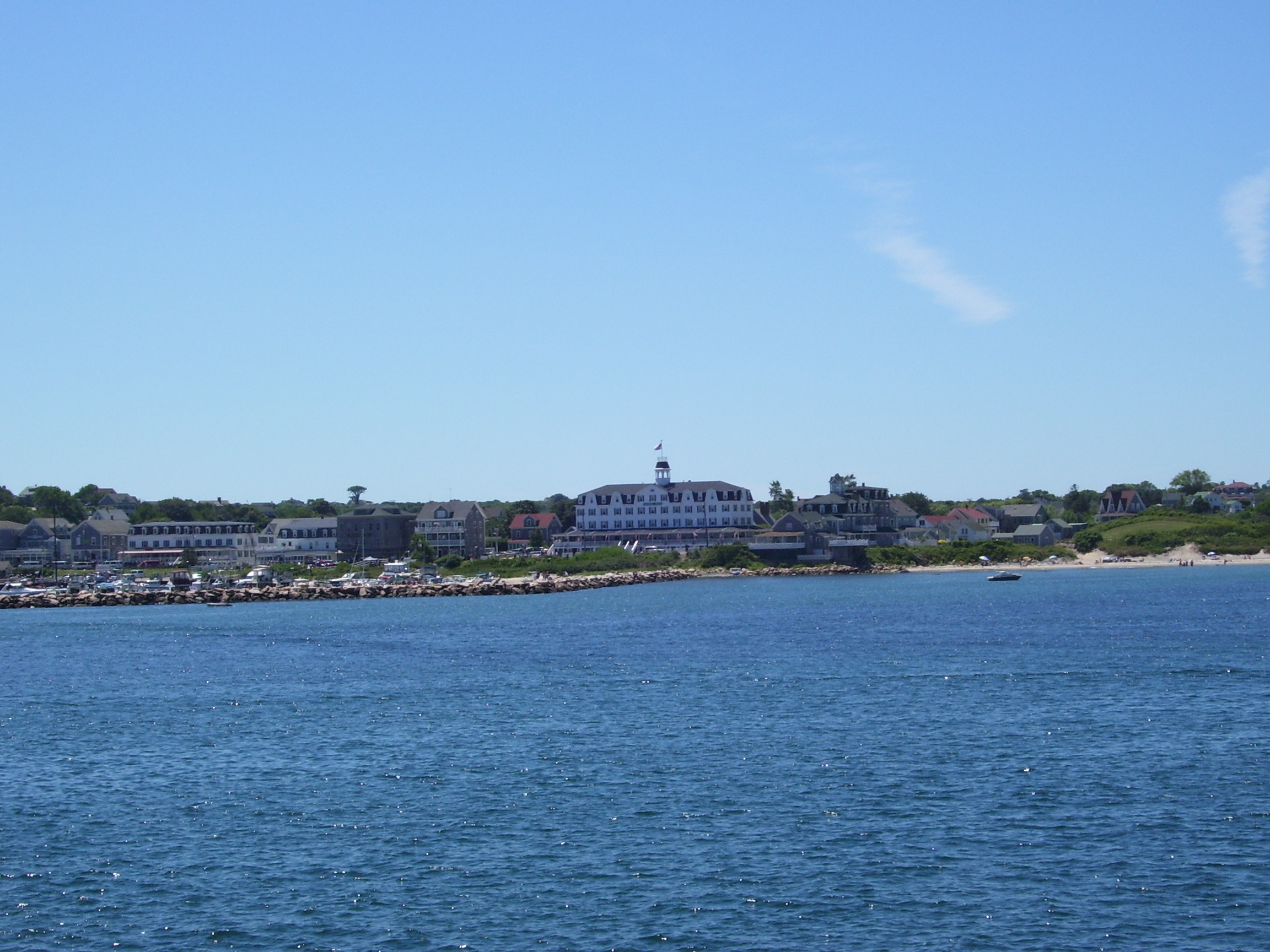
On certain fall mornings, Block Island seems to gather wings. Small birds flick through thickets. Raptors work the wind. Shorebirds trace the waterline, while birders quietly compare notes along roads and preserve edges. The spectacle comes from geography: land in the middle of open water is a welcome place to rest.
Audubon describes Block Island as Rhode Island’s best-known birding destination. Southbound migrants that find themselves over the Atlantic can concentrate here, producing days with dozens of species and, occasionally, a rare visitor far from its usual route.
Look at habitat, not just sky
Migration happens wherever birds can feed and shelter. Berry-filled shrubs may hold songbirds. Ponds and shoreline attract waterfowl and shorebirds. Open fields offer hunting space for harriers and falcons. A slow scan at the boundary between habitats often reveals more than a fast walk.
Early hours can be productive for songbirds, while raptors may become more visible as the day warms. Wind direction and overnight weather change the cast daily, which is why repeat walks rarely feel repetitive.
Watch without adding pressure
- Use binoculars instead of approaching.
- Keep dogs leashed where required and away from resting birds.
- Stay on public paths and respect private property.
- Never use recordings to draw tired migrants closer.
- Share unusual sightings without crowding the bird.
Notice the whole movement
Birds are the headline, but fall migration also includes monarch butterflies and dragonflies moving along the coast. Even when numbers are modest, the idea is enormous: a small island becomes part of journeys that cross continents.
Bring patience, a field guide and fewer expectations. The reward is not only naming what passes. It is recognizing that the quiet patch of shrub beside you may be exactly what a traveler needs.
Seasonal hours, ferry operations and access conditions can change. Verify time-sensitive details with the responsible operator before setting out.